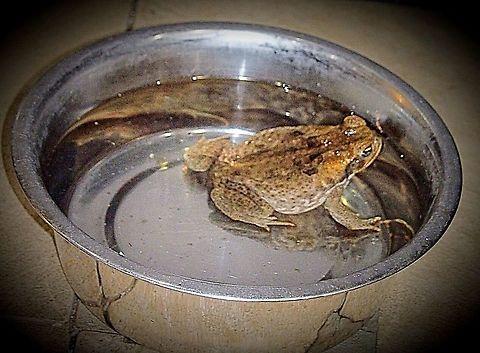
If you’re renting in South East Queensland or Northern NSW, cane toads can turn a peaceful evening in the yard into a stress‑fest for pet owners. You might not be able to dig trenches or install permanent fencing, but you absolutely can make quick, removable barriers that keep toads out and your dog or cat safer. This guide walks you through renter‑friendly options for yards, patios and balconies, plus simple habits that make a big difference.
Know when and how cane toads sneak in
Cane toads are most active at night, especially after rain or on warm, humid evenings. They follow food and moisture, so any spot with insects, standing water or pet food is attractive.
Common entry points:
- Gaps under fences and gates
- Open drainage channels and weep holes
- Steps and low balconies
- Patio sliders or garage doors left ajar
Why this matters for pets: cane toads carry bufotoxin. If you suspect your pet has mouthed or licked a toad, contact a vet immediately for urgent advice and care. Keep your pet calm and avoid home remedies or medications unless your vet directs you.
What makes a pet‑safe, renter‑friendly barrier?
The goal is simple: stop toads from stepping or hopping into your pet’s space without damaging the property.
Key principles:
- Smooth and vertical: Toads aren’t great climbers, but they can scramble over textured surfaces. Use a smooth, upright surface tall enough that a toad can’t hop over (around knee‑height works for many households).
- Tight to the ground: Tiny gaps invite tiny toadlets. Keep the bottom edge snug, weighted or tucked so there’s no easy push‑under route.
- No footholds: Avoid mesh or lattice as the main face. If you need mesh for strength, back it with a smooth sheet.
- Removable fixings: Cable ties, Velcro, clamps, freestanding posts, sandbags and pavers are your friends. Avoid drilling into walls, fences or slabs unless you have written permission.
- Safe for pets and people: No sharp edges or trip hazards; keep sightlines clear at gates and driveways. If you’re near a pool fence, ensure anything you add maintains legal pool safety compliance.
What not to use:
- Chemicals, powders or “repellents” that can harm pets, wildlife or lawns
- Spiky or entangling netting that can injure animals
- Electric deterrents
Quick fixes you can set up in an hour
Short on time? These simple, reversible ideas suit patios, side yards and small gardens.
- Corflute skirt on a fence line: Cut corrugated plastic (corflute/signboard) into panels. Zip‑tie to temporary garden stakes or existing fence rails so it sits smooth and vertical, with the bottom edge tucked behind a row of pavers or sandbags. Seal corners with weather tape.
- Gate gap blocker: Make a removable “kickboard” from a corflute or polycarbonate offcut. Attach it inside the gate using Velcro straps or zip‑ties around the bars so it’s flush to the ground. Add a door sweep or draught excluder along the bottom if the surface is uneven.
- Patio and slider threshold: Use draught stoppers or a rubber threshold strip along sliding doors. For wide gaps, cut a clear acrylic strip and hold it in place with removable adhesive hooks and Velcro so you can still slide the door.
- Pop‑up pet playpen (toad‑safe): Line the inside of a portable pet pen with smooth sheet material, secured with clips or cable ties, so there are no bars or mesh to climb. This creates a safe loo zone at night.
- Planter wall plus liner: If you’ve already got big pots or troughs, push them into a line and cable‑tie a smooth sheet to the inside faces to remove footholds. Weight the bottom with bricks or pavers.
Tip: Before sealing the final gap, sweep the area and do a quick torch check to ensure no toads are already inside your “safe zone”.
Weekend projects for bigger yards (still temporary)
If you’ve got a lawn or broader perimeter, a few hours on the weekend can deliver a tidy, removable barrier.
- Freestanding mini‑fence: Hammer in lightweight star pickets or plastic garden stakes every couple of metres. Zip‑tie smooth sheeting (corflute, pond liner, or clear polycarbonate) to form a continuous wall. Overlap panel joins and secure with tape both sides. Tuck the bottom under a line of pavers or sandbags.
- Modular panels: Build simple 1–1.2 m wide frames from timber or PVC pipe and skin them with smooth sheeting. Stand them edge‑to‑edge and clamp or Velcro together. Great for dividing a yard into a night‑time pet area.
- Under‑fence gap blockers: If there’s a gap under a boundary fence, slide in a row of pavers, sleepers or sandbags on your side. For uneven ground, run a strip of pond liner down the inside of the fence and weigh it along the bottom.
- Drains and weep holes: Where safe and lawful, cover entry points with a rigid guard that still allows water flow (e.g., a perforated plate backed by smooth sheet), fixed with removable screws or cable ties to stakes rather than the wall. Avoid blocking stormwater.
- Pool areas: To keep toads from entering the pool zone, some households add a smooth “skirt” to the base of pool fences using clear sheeting and cable ties. Always check pool safety laws and strata rules first so height, climbability and latch clearances remain compliant.
Finish like a pro:
- Cap sharp corners with tape or edging strip
- Label panels for easy re‑assembly after mowing
- Keep a handful of spare zip‑ties and a roll of exterior tape for quick patches
Handy materials list (all removable)
- Corflute or other smooth plastic sheet
- Clear polycarbonate/acrylic offcuts
- Pond liner or heavy‑duty tarp
- Garden stakes/star pickets and safety caps
- Zip‑ties, Velcro straps, spring clamps
- Sandbags, bricks or pavers for weighting
- Weather‑resistant tape, door sweeps/draught stoppers
- Gloves, torch, and a lidded container for safe toad capture if needed
Balconies and townhouses: create a safe potty zone
Ground‑floor balconies and townhouse courtyards can be toad magnets, especially after rain. Treat yours like a mini yard:
- Perimeter skirt: Run smooth sheeting around the inside of balustrades or fence panels using zip‑ties or removable hooks so there are no bars to squeeze through. Keep the bottom snug to the floor with weights.
- Step and stair blockers: For external stairs, make a low removable panel that spans the first step at night (clearly visible and easy for humans to remove). Store it by the door during the day.
- Raised pet loo: Place an artificial‑turf loo tray inside a smooth‑walled pen so your dog has a defined spot at night without roaming.
- Light and water discipline: Switch exterior lights to warmer, low‑glare options or keep them off when not needed to reduce insects. Bring pet water bowls indoors overnight, and never leave pet food outside.
Always check body corporate rules before attaching anything to common property. Removable hooks and straps are usually fine, but it pays to ask.
Maintenance and nightly routine
Barriers work best when paired with simple, repeatable habits.
- Dusk check: Do a quick lap with a torch before letting pets out. Look along edges, corners and around bowls or toys.
- After rain: Re‑seat panels, press down weights and patch any storm damage the same day.
- Lawn and clutter: Keep grass short and move stored items off the ground. Fewer hiding spots mean fewer toads.
- Supervise and restrict: Use your safe zone at night and keep toilet breaks short, on‑lead if needed.
If you find a cane toad inside your barrier:
- Keep pets away and secure
- Wearing gloves, gently place the toad into a ventilated container with a tight lid
- For humane euthanasia, follow RSPCA guidance: cool the contained toad in the refrigerator first, then freeze. If you’d prefer not to handle this, contact a professional removal service.
- If your pet may have mouthed the toad, call a vet immediately for urgent advice and care.
When DIY isn’t enough
Some properties have tricky access points, steep ground or shared boundaries that make temporary barriers hard to manage. If you’d like expert help, No More Toads can provide humane toad removal, design and install toad‑proof fencing (including renter‑friendly and removable options), and tailor pet‑safety advice for your home. We’re local, we understand the seasons here, and we’re happy to help you choose the safest plan for your pets.