Cane Toads, Dogs and Prevention
Cane toads are part of life in South East Queensland and Northern NSW, especially on warm, wet nights. Most dogs are curious, which is exactly what gets them into trouble. A strong recall and a reliable “leave it” can give you another opportunity to interrupt an investigation before your dog mouths a toad. Here’s how to build them, practise safely at dusk, and manage your yard so the odds are in your dog’s favour.
Know the risk windows and hotspots
Cane toads are most active from dusk through the night, and after rain or irrigation. Plan walks and toilet breaks with that in mind.
Common dog–toad encounter zones around homes:
- Lawns and garden edges where insects gather
- Near outdoor lights, pool edges and steps
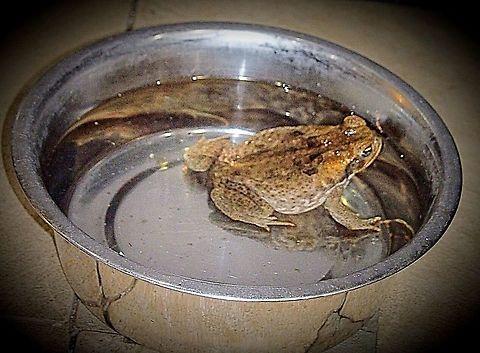
- Water sources: bowls, troughs, ponds, plant saucers
- Pet-food areas and BBQ drips
- Cool, sheltered spots like sheds and under decks
- garbage bins, especially is they have flies and/or maggots around them
Quick management wins:
- Supervise after dark; use a torch or headlamp.
- Bring pet food and water bowls indoors overnight where practical. If water must remain outside, consider elevating it where cane toads cannot easily access it, and refresh it regularly.
- Keep lawns tidy and reduce clutter that offers cover.
- Do a quick night “toad sweep” before letting the dog out. If you find an amphibian, make sure it is actually a cane toad before attempting to handle or euthanise it. Juvenile cane toads can be difficult to distinguish from native frogs.
- If you find a confirmed cane toad, use gloves and a container or net; follow current local guidance for humane handling, or call a trained professional.
Recall that works when it counts
A recall isn’t just calling a name - it’s a trained emergency behaviour that can help interrupt chasing, sniffing or hunting. Build it step-by-step and pay generously so your cue means “something brilliant is about to happen.”
Step-by-step recall plan:
- Choose a clear cue: a whistle or a fresh word like “Here!” that you haven’t worn out.
- Indoors first: say the cue once, then immediately feed several high-value treats as your dog reaches you. Keep it upbeat and brief.
- Play “ping-pong”: take turns calling your dog across a room or hallway, paying well each time.
- Add mild distractions: different rooms, then the backyard during the day. Keep your dog successful - use a long line outside so you can guide if needed.
- Go outside gradually: practise at quiet times, then with more environmental interest (neighbours, birds, light breezes). Pay with top-tier rewards - think soft, smelly food, a quick game, or being released to sniff again.
- Protect the cue: never call to end all the fun every time. Mix it up - sometimes recall, pay, and release back to play.
- Never punish after a recall. If coming to you predicts anything unpleasant, your dog will hesitate next time.
Build an emergency U-turn and check-ins
- U-turn cue: pair a happy “This way!” with you pivoting and moving briskly in the opposite direction. Mark and reward when your dog turns with you. Practise on walks so it’s automatic when you spot movement ahead.
- Automatic check-ins: randomly reinforce your dog for glancing back at you. Dogs that look to their handler often are easier to call off sudden distractions.
Teach a ‘Leave it’ that really sticks
“Leave it” teaches your dog to disengage from something and look to you for direction. Start simple and build to harder, more tempting scenarios.
Foundation steps:
- Treat-in-fist: present a closed fist with a treat. When your dog backs off or stops mouthing, say “Yes,” then pay from your other hand. Add the cue “Leave it” as your dog begins to understand.
- Open-hand: show a treat on your open palm. If your dog moves in, close the hand. When they back off, mark and reward from the other hand.
- On the floor: place a treat under your shoe or in a container with holes. Cue “Leave it”; pay for backing off and eye contact.
- Movement: gently roll a low-value item past your dog. Cue, mark the disengagement, reward from your pocket.
- Real-life items: work up to sniffy leaves, dropped food, lizards in the distance, and night-time moths near a porch light - always on lead or long line.
Tips that make ‘leave it’ reliable:
- Reward from you, not the item your dog left. You want disengagement to pay.
- Keep sessions short and successful; dial back if your dog fails twice in a row.
- Add a release cue like “Take it” so your dog understands the difference.
- Practise in many places: kitchen, driveway, footpath, and finally at dusk.
Practise safely for cane-toad scenarios
You don’t need a real toad to train - please don’t use live toads for practice. Instead, set up the sights, sounds and routines that go with toad time.
Safe proofing ideas:
- Dusk drills: put your dog on a properly fitted harness and long line. Walk the garden perimeter with a torch. Randomly cue “Leave it,” “Here!” and U-turns, paying well each time.
- Hotspot rehearsals: practise near hedges, drain covers, and lawn edges where insects gather. Keep distance and pace so your dog can succeed.
- Surprise practice: drop a bland object (empty cup, soft toy) ahead on the path. As your dog notices, cue “Leave it,” then recall and reward away from it.
- Reward away: when you interrupt interest in something, toss the reward behind you so your dog turns away from the trigger.
Extra management for keen hunters:
- A properly fitted basket muzzle can help prevent mouthing on night walks, but it is not a substitute for training and supervision. Your dog should be carefully conditioned to wear it, and it should allow unrestricted panting and drinking. A qualified trainer can assist with fit and acclimation.
- Keep the long line on at dusk/dawn until your recall and leave-it are reliable around distractions.
Yard management and humane handling
Lower the chances of encounters and know what to do if you find a toad.
Reduce attraction:
- Limit insect magnets at night where practical; bright lights can draw bugs, which can draw toads. Consider targeted lighting and switch off what you don’t need.
- Fix gaps under gates and along fences. Purpose-built toad barriers or fine-mesh fencing can help exclude toads from dog areas.
- Secure or cover drains and gaps around pool equipment where toads can shelter.
If you find a confirmed cane toad:
- Wear gloves and use a container or net. Keep pets away.
- Make sure you have correctly identified the animal as a cane toad before taking any action. Juvenile cane toads can be confused with native frogs.
- If you are in Queensland, follow current RSPCA Queensland guidance for humane euthanasia. In NSW, follow current NSW Government or local authority guidance.
- If you don’t feel comfortable handling or euthanising a cane toad, contact a trained local professional for assistance with identification, removal and ongoing prevention.
If your dog contacts a cane toad: what to do
Bufotoxin from cane toads is dangerous to dogs and cats. Fast action matters.
- Stay calm and act quickly.
- Immediately wipe the gums, tongue and roof of the mouth with a clean, damp cloth. Rinse the cloth thoroughly between wipes and repeat several times.
- Keep your dog’s head angled downwards while cleaning the mouth.
- Do not squirt or hose water directly into your dog’s mouth, as this can cause water to be inhaled into the lungs.
- Phone your nearest vet or emergency veterinary service immediately and go straight in. Tell them your dog may have contacted a cane toad.
- Keep your dog cool and as quiet as possible on the way.
Watch for signs such as profuse drooling, pawing at the mouth, red or sticky gums, vomiting, wobbliness, tremors or seizures. Don’t use milk or other home remedies, and don’t delay veterinary care.
Pet safety note: This information is provided for general education and is not a substitute for veterinary advice. If you suspect your dog or cat has been exposed to cane-toad toxin, contact a veterinarian or emergency veterinary service immediately.
Need a hand? Local, professional help
If cane toads are frequent visitors, professional support can make a big difference. No More Toads provides humane toad removal, toad-proof fencing options and practical pet-safety advice tailored to South East Queensland and Northern NSW properties. We’re happy to work alongside your trainer or vet to help keep your pets safe around toad season.