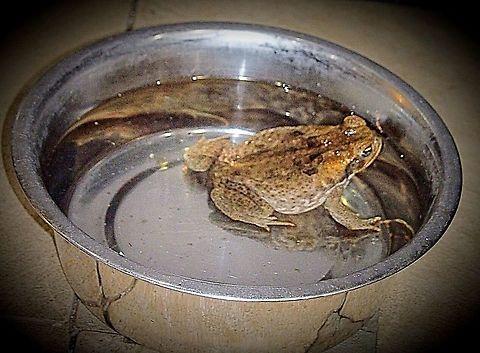
South East Queensland and Northern NSW are prime cane toad country, especially on warm, wet nights. If you’ve got pets, a little routine each month can make a big difference. Here’s a practical, humane checklist you can follow through the year to cut down encounters and keep tails wagging safely.
Summer (Dec–Feb): Peak toad season in SEQ & Northern NSW
Hot, humid nights and summer storms bring toads on the move. Expect more activity around lights and water.
- December
- Switch outdoor lights to warm/amber globes or motion sensors to reduce insect swarms (insects attract toads).
- Nightly sweep: with a torch, inspect lawns, dog runs and pool surrounds. If you catch a cane toad, handle with gloves, place it in a ventilated container, and follow RSPCA Queensland guidance: refrigerate at approximately 4°C for 12 hours, then freeze at approximately -20°C for at least 24 hours before disposal. Keep pets away while handling. Check local rules if unsure.
-
Skim ponds after rain. Remove debris that shelters insects and toadlets. If you suspect cane toad eggs or tadpoles, avoid bare-hand contact and seek advice before disposal.
-
January
- Mow and edge weekly. Short grass and tidy garden edges reduce hiding spots.
- Check fences and gates for gaps—under, around, and where pipes enter. Block gaps with fine mesh or solid edging.
- Protect likely pond access points only where appropriate, without restricting drainage or overflow.
-
After evening rain, do a quick 10-minute patrol with a torch and pick-up tongs.
-
February
- Pick up fallen fruit promptly and secure compost. Fallen fruit draws insects, which draw toads.
- Remove outdoor pet food and water bowls overnight; provide fresh water indoors.
- Install simple “toad-proofing” along the dog run: a smooth, continuous barrier and snug gates. Aim for no gaps at corners or under gates.
Autumn (Mar–May): Watch for tiny toadlets and clean up water
As heat eases, you may see groups of small, dark toadlets around damp edges.
- March
- Focus on water: empty saucers, buckets, boats, toys and tarps after rain. Keep drains and scuppers flowing.
- Protect pond and water-feature access points where appropriate, keeping drainage and overflow clear.
-
Night checks continue—short, regular patrols beat the occasional big effort.
-
April
- De-clutter ground level: stacked pots, timber, dense weeds and thick mulch create perfect daytime hideaways.
- Where practical, lift garden ornaments and store on shelves or pavers rather than directly on soil.
-
Review outdoor lighting—motion sensors and lower-output warm LEDs help reduce insect buffets.
-
May
- Plan your toad-proof barrier project while weather is mild. A smooth, continuous barrier with a buried base and no footholds stops most toads. Keep lawn edges trimmed along the barrier so toads can’t use vegetation as a ladder.
- Brush up on pet training: a reliable “leave it” and night-time recall can save the day.
Winter (Jun–Aug): Consolidate, repair and train
Cooler months are your chance to get ahead while toads are less active.
- June
- Install or improve toad-proofing: a smooth panel or fine-mesh fence that’s firmly fixed to the ground (no gaps) works best. Bury the bottom edge and keep it free of footholds.
-
Fit brush or rubber strips to the bottom of gates.
-
July
- Service pumps and pond liners; check for leaks that make persistent damp patches.
-
Trim hedges and reduce ground-cover thickets near dog runs and paths.
-
August
- Refresh garden beds with coarser, open mulch rather than thick, compacted layers.
- Check stormwater points before spring rain. Protect likely access points only where appropriate, without restricting drainage or overflow.
Spring (Sep–Nov): Pre-rain prep and block the breeding cycle
Warmer nights return, and the first storms can kick-start movement and breeding.
- September
- Rehearse your night routine: torch, gloves, container with air holes. Keep it where you can grab it in seconds.
-
Test your barriers and fix any winter damage. Look for new gaps from soil movement or pets digging.
-
October
- Clean up sheltered spots: under decks, steps, pool pumps, and shed corners. Install simple kickboards or mesh where pets roam.
-
Revisit lighting—consider shields to direct light downwards and away from lawns.
-
November
- Be water-wise: secure temporary pools (kids’ pools, ponds under construction). Tip out standing water after storms.
- If you keep fish, ensure pond edges are raised or fenced so toads can’t easily access. Netting can help while allowing airflow and light.
Anytime habits that cut risk fast
Small, regular actions are the backbone of a toad-safe yard.
- Supervise pets at dawn and after dusk, especially after rain. Keep night-time toilet breaks short and on-lead if needed.
- Remove pet bowls at night; offer fresh water indoors. Wipe up splashes.
- Pick up dog poo daily; it attracts insects and, in turn, toads.
- Keep lawns mown, edges crisp, and clutter off the ground.
- Avoid chemicals that can harm pets and wildlife (e.g., bleach, petrol, salt or harsh sprays). They’re not humane and can pollute. For slugs/snails, choose pet-friendly options and follow labels exactly.
- If you capture a cane toad, handle humanely. Wear gloves, place it in a ventilated container, follow RSPCA Queensland guidance: refrigerate at approximately 4°C for 12 hours, then freeze at approximately -20°C for at least 24 hours before disposal. If you’re unsure or uncomfortable, seek professional help.
If your pet mouths a toad: act immediately
Cane toads carry bufotoxin, which is dangerous to dogs and cats. Fast action matters.
- Rinse your pet’s mouth for several minutes using a gentle stream of water aimed from the side of the mouth downward so they don’t inhale or swallow water. Wipe the gums and tongue with a wet cloth, repeating with fresh cloth sections.
- Keep your pet calm and cool. Do not give food, milk, or any medications unless a vet instructs you.
- Contact your vet urgently and follow their advice. If symptoms appear (drooling, pawing at the mouth, vomiting, tremors, changes in heart rate), treat it as an emergency.
Need a hand keeping cane toads out?
Need a hand? No More Toads offers adult cane toad removal, tadpole and breeding-cycle control, and purpose-built toad-proof barriers across South East Queensland and Northern NSW. We’re here to make your backyard safer for your pets.