
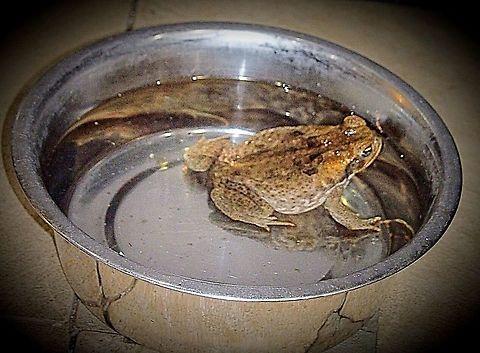
Warm, wet nights in South East Queensland and Northern NSW can bring cane toads on the move. They’re drawn to moisture, insects and easy meals — exactly what outdoor pet areas offer after dusk. Even with a good fence or coop, a determined toad (or a stream of tiny toadlets) can still find its way inside. The good news: a few design tweaks and a consistent night routine go a long way to keeping toads out and pets safe.
How cane toads get into pet spaces
Cane toads aren’t great climbers, but they’re persistent and very good at exploiting gaps and weaknesses at ground level. They can squeeze through surprisingly small openings and will readily use gaps beneath gates, doors and fencing. They’re also attracted to damp areas, insects, pet food, spilled seed and accessible water.
Common entry points we find:
- Gaps under gates and doors, particularly uneven or poorly sealed sections at ground level
- Mesh that’s too open, loose, flexible or not properly secured at the base
- Drain holes, weep holes and pipe penetrations left unscreened
- Timber movement or shrinkage at the base of coops or aviaries creating new gaps
- Lawn pens and hutches that sit directly on soil
- Gaps around corners, posts and other points where different surfaces meet
Young cane toads can be surprisingly small. If cane toads are breeding nearby, pay particular attention to ground-level gaps and mesh openings that might be irrelevant for an adult toad but could allow juveniles through.
Core design principles to toad-proof any enclosure
-
Create a continuous ground-level barrier. Our guidance is a minimum 600 mm high barrier with a smooth surface and continuous contact at ground level. The important thing isn’t simply the height of the barrier. The entire perimeter needs to work as one continuous exclusion system, with gates, corners, joins and ground-level transitions properly addressed.
-
Choose rigid, appropriately sized mesh. Flexible mesh can sag and create gaps at the base. If mesh is being used, choose a rigid product with openings small enough to prevent juvenile cane toads passing through, and secure it firmly so it cannot be lifted or pushed aside. Pay particular attention to joins and corners.
-
Seal the little things. Screen vents, weep holes, drainage openings and pipe cut-outs where appropriate. Seal cable penetrations and small gaps around framing. The aim is to eliminate potential entry points without interfering with necessary ventilation or drainage.
-
Tidy, dry and elevate. Keep water bowls and feed containers inside the secured area where possible. Use spill trays where appropriate. Remove leftover pet food and spilled seed before nightfall. Fix dripping taps, hoses and irrigation leaks and avoid unnecessary standing water around enclosures.
-
Night-safe doors. Self-closing latches are useful, but the threshold matters just as much. Check the bottom of doors and pop-holes carefully and make sure there isn’t a crawl-under gap when they’re closed. Gates should close firmly against the barrier or ground-level surface, with particular attention to uneven areas.
-
Light smarter. Bright outdoor lighting attracts insects, which can in turn attract cane toads. Where lighting is required around pet areas, consider keeping it minimal and using shielded or warmer-coloured lighting. Motion sensors can also reduce the amount of time lights are operating unnecessarily.
Chicken coops and runs: keep the chooks safe
Chook set-ups can be particularly attractive to cane toads because they combine food, water, insects and shelter. Focus on the perimeter, doorways and water.
-
Secure the perimeter. Make sure the enclosure provides a continuous barrier with no gaps at ground level. Our guidance is a minimum 600 mm barrier for effective cane toad exclusion.
-
Check the base regularly. Soil, mulch and other surfaces can move over time, creating gaps beneath fencing or around the perimeter.
-
Pop-holes and ramps. Close pop-holes at dusk and make sure they close snugly. If a ramp remains down overnight, check carefully for gaps around its sides and where it meets the ground.
-
Water the smart way. Nipple or cup drinkers can reduce spillage. If open waterers are used, position them securely inside the protected area and minimise unnecessary water around the perimeter.
-
Feed management. Treadle feeders or covered feeding systems can reduce spillage. Sweep up spilled feed before dark and store bulk feed in sealed containers. Avoid placing scraps in the run late in the day.
-
Run lighting and insects. Keep bright lights away from the run at night. Good coop hygiene can also help reduce insect activity, meaning fewer insects to attract cane toads.
Aviaries and bird runs: stop the ground-level breach
Seed, insects and water can make aviaries attractive to cane toads. Focus on fine mesh, ground-level gaps and access points.
-
Fine mesh to the floor. Where possible, bring the aviary barrier down to a suitable firm surface and make sure there is continuous contact at ground level. If the enclosure is on soil or another uneven surface, make sure the barrier is properly secured and there are no gaps underneath.
-
Close the corners. Corners and door thresholds are common places for gaps to develop. Check carefully for daylight around the base and where different materials meet.
-
Elevate seed and water. Place baths and feeders on stands inside the secure area where practical. Sweep up spilled seed before dark — it draws insects, which can attract toads.
-
Keep the perimeter clear. Remove stacked pots, timber, boxes and other items close to the perimeter that could create access points or compromise the barrier.
Dog runs, catios and small-pet hutches
Dogs and cats are at real risk from cane toad toxin (bufotoxin). If you suspect a pet has mouthed or licked a toad, seek urgent veterinary care immediately.
For enclosures:
-
Catio and dog-run barriers. Use a suitable rigid, fine mesh or solid barrier that extends down to the ground and is properly secured. Close triangle-shaped gaps around posts, corners and walls.
-
Gates that actually seal. Self-closing hinges are useful, but the bottom of the gate is critical. Make sure there is no significant gap when the gate is closed.
-
Hutches on a secure surface. Where practical, position rabbit and guinea pig hutches on a suitable hard or raised surface rather than directly on grass, so the base can be properly secured and inspected.
-
Night routine. Remove leftover food before dusk and keep accessible water inside the protected area where possible. Check the perimeter and gates before leaving pets outside overnight.
Cat enclosures and catios: keep curious cats safe
Catios and outdoor cat enclosures can provide a great way for cats to enjoy fresh air while staying contained, but they can still allow cane toads inside if the ground-level perimeter isn’t properly sealed.
Cats are naturally curious and may investigate or play with a cane toad, so preventing the toad from entering the enclosure is particularly important.
-
Create a continuous barrier. Our guidance is a minimum 600 mm high barrier with a smooth surface and continuous contact at ground level. Pay particular attention to the base of the enclosure, where small gaps can develop.
-
Check every edge. Inspect around doors, gates, corners, posts and where the enclosure meets walls, slabs or other surfaces. Even a well-built catio can have a vulnerable point where two different surfaces meet.
-
Use suitable mesh. Choose rigid mesh with openings small enough to prevent young cane toads from passing through. Make sure the mesh is securely fixed and cannot sag or lift away from the ground.
-
Remove potential access points. Keep pots, boxes, furniture, timber and other objects away from the perimeter where they could create a step-up or compromise the barrier.
-
Manage food and water. Don’t leave uneaten food sitting in the catio overnight. Keep water bowls securely inside the protected area and clean up spills where practical.
-
Check the enclosure after rain. Wet conditions can increase cane toad activity, so inspect the perimeter and gates after heavy rain and during periods when toads are particularly active.
-
If a cat mouths a cane toad. Keep the cat away from the toad, wipe the inside of its mouth thoroughly with a damp cloth and seek urgent veterinary care immediately.
Water, drains and the garden around enclosures
-
Bowls and troughs. Standing water provides an important moisture source for cane toads. Use secure water bowls and troughs inside protected areas where possible, minimise spillage and remove unnecessary containers that collect water around the enclosure.
-
Drains and sumps. Drainage points can create potential access routes. Where appropriate, screen stormwater pits, channel drains and overflow openings with suitable mesh that won’t quickly deteriorate. Make sure any screening doesn’t interfere with required drainage.
-
Landscaping. Trim vegetation touching the base of fences and enclosures. Dense vegetation can provide cool shelter and make it harder to identify gaps. Tidy stacked pots, timber, garden materials and other ground clutter around pet areas to reduce potential daytime refuges.
-
Ponds and frog-friendly gardens. If you keep a pond or water feature, consider how cane toads could move from that area towards your pets. A low, smooth perimeter barrier around a pet zone can help prevent cane toads moving into an enclosure. Our guidance is a minimum 600 mm barrier, with continuous ground contact and properly secured joins and access points. Always check carefully for native frogs before handling any amphibian.
If you find a cane toad inside an enclosure
-
Move pets away immediately. Keep dogs, cats and other animals away from the toad.
-
Identify before you act. If you’re unsure whether it’s a cane toad or a native frog, don’t harm it. Take a clear photo and seek advice.
-
Humane handling only. If you are confident it is a cane toad, follow an approved humane euthanasia method such as the method recommended by RSPCA Queensland. Alternatively, contact a professional for removal.
-
Never use cruel methods. Do not use salt, bleach, household chemicals or other unapproved methods.
-
Clean up afterwards. Wash your hands and clean any tools or equipment that have come into contact with the toad.
-
Check the entry point. Once the toad has been removed, inspect the enclosure carefully and fix the suspected entry point as soon as possible.
-
If a pet has mouthed a cane toad, act immediately. Wipe the inside of the pet’s mouth thoroughly with a damp cloth and seek urgent veterinary care.
Maintenance and seasonal checks
-
Do a quick “night check” during periods of increased cane toad activity: doors shut, thresholds sealed, bowls managed, feed removed and lights off or dimmed where practical.
-
After heavy rain, check the perimeter again. Soil and landscaping can shift and create new gaps beneath barriers.
-
Re-tighten mesh fixings as materials move or change over time. Replace damaged or deteriorated sections and address small gaps before they become an entry point.
-
Keep a small kit handy: suitable mesh, exterior screws with washers, sealant and basic repair materials. Quick fixes on the spot can help prevent repeat visits.
Need a hand?
If you’d like a set of expert eyes on your set-up, No More Toads provides professional cane toad removal, custom toad-proof fencing and practical pet-safety advice across South East Queensland and Northern NSW.
Our approach is focused on more than simply removing the toads that are already there. We look at how they’re getting in, what is attracting them and how the area can be made more difficult for them to access in the first place.
We’re local, we work humanely, and we’re happy to help you make practical changes that keep toads out and your pets safe.