Cane toads are one of Queensland's most persistent pest problems — and for pet owners, one of the most dangerous. If you're looking for practical advice on how to actually get rid of them, this guide covers everything: what works, what doesn't, and what to do based on how bad your situation is.
Why Cane Toads Are So Hard to Get Rid Of
The short answer: there are a lot of them, and they breed fast.
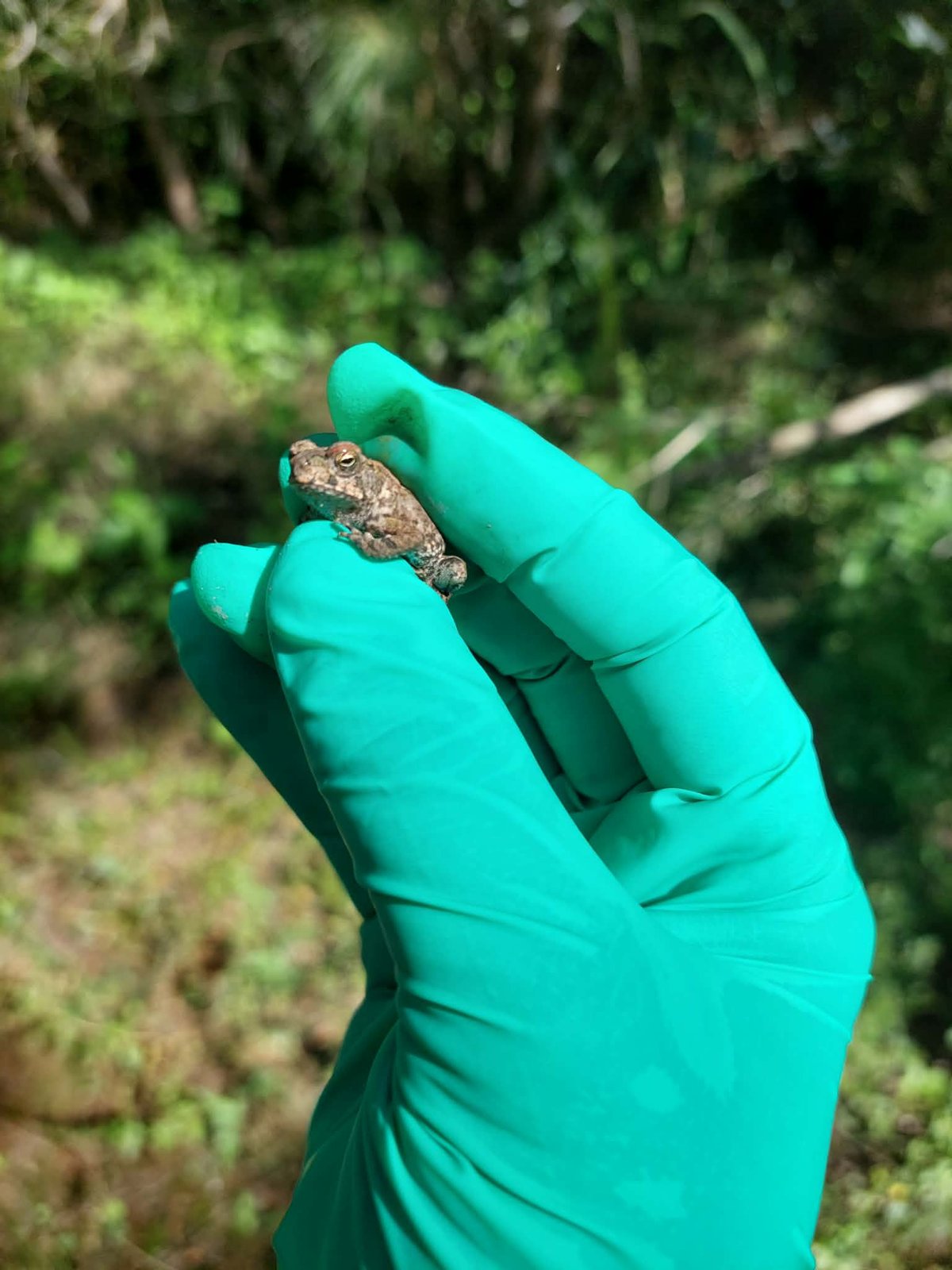
A single female cane toad lays between 8,000 and 35,000 eggs at a time. Tadpoles metamorphose into toadlets in as little as four weeks under the right conditions. Each new generation disperses into surrounding properties, which means removing toads from your yard is only part of the problem — more are always arriving from neighbouring land.
This is why one-time removal rarely solves the problem for long. Effective cane toad control is ongoing.
What Actually Works to Get Rid of Cane Toads
1. Professional Removal
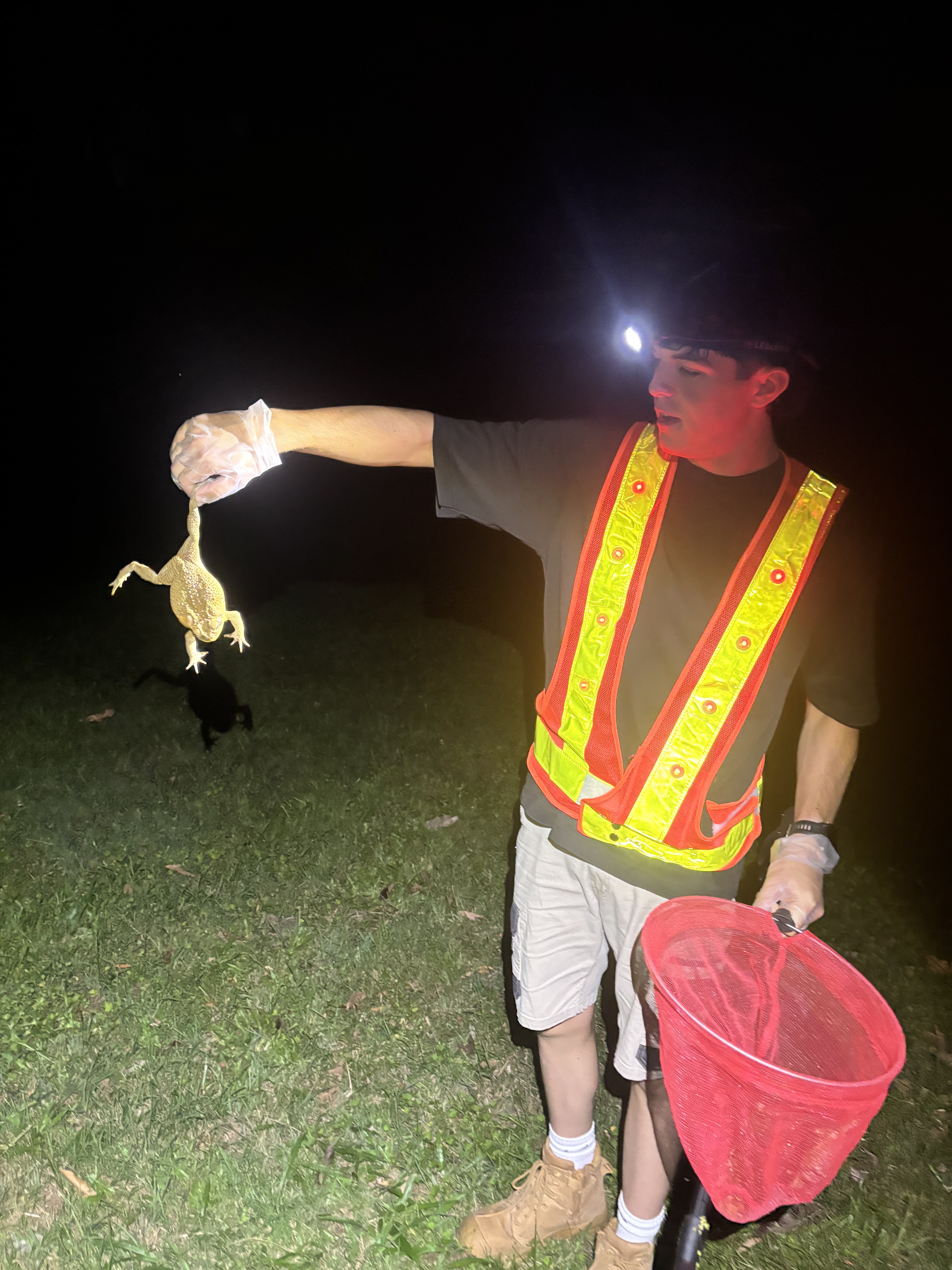
The most reliable way to reduce cane toad numbers quickly. A professional service inspects your property at night — when toads are active — physically removes every toad found, and advises you on what is attracting them to your yard.
Professional removal is particularly effective for:
- Properties with dog or cat runs at risk
- Before and after breeding season (spring and early wet season)
- Properties where DIY hasn't kept up with numbers
2. Tadpole Trapping
One of the most overlooked strategies — and one of the most effective.
Cane toad tadpoles are easy to trap in large numbers because they congregate in shallow, still water. Fine-mesh traps set at water's edge overnight can remove hundreds or thousands of tadpoles from a single water source.
Catching them before they become adult toads is the highest-leverage intervention in the cane toad life cycle. If you have a dam, pond, pool surrounds, or a ditch that holds water after rain, tadpole trapping during the breeding season will make a measurable difference to adult numbers in the following months.
3. Barrier Fencing
The only method that actually prevents re-entry.
Removal and trapping reduce the population on your property at a point in time. But toads move — and they will move back in unless you have a physical barrier stopping them.
Cane toad barrier fencing uses fine-mesh material (openings no larger than 10mm to exclude toadlets) installed flush to or slightly embedded in the ground. Done correctly, it creates a sealed perimeter that toads cannot cross.
It is not cheap. It requires proper installation to work. But for pet owners who have lost an animal to cane toad poisoning, or who cannot safely let their pets outside without constant supervision, it is the only long-term solution.
4. Removing Attractants
You will not get rid of cane toads by removing attractants alone — but you can meaningfully reduce how many are on your property at any given time.
The main things that attract cane toads:
- Standing water — anything that holds water overnight. Empty pot plant trays, birdbaths, low points in the lawn. Toads need water to breed and to stay hydrated.
- Outdoor lighting — lights attract insects, insects attract toads. Ground-level lights or lights near garden beds are the worst offenders.
- Dense ground cover — low-growing plants and garden debris give toads shelter during the day. Keeping garden beds tidy and grass short reduces hiding spots.
- Pet food left outside — insects and other pests attracted to pet food also attract toads.
These changes will not solve an established infestation, but combined with removal they make a real difference.
What Does Not Work
There is a lot of bad advice about cane toad control on the internet. Some of it is harmless but ineffective. Some of it is actually cruel or dangerous.
Salt and vinegar sprays — cause pain and distress to toads but are not a practical control method at any scale. They do not prevent re-entry.
Dettol and other chemical sprays — illegal to use on cane toads in Queensland except in specific circumstances, and dangerous to other wildlife, pets, and children.
Repellent plants — no plant has been shown to reliably deter cane toads.
Mothballs — toxic to pets and children, no evidence they deter toads.
Catching and relocating — moving toads to another area does not reduce the population and spreads the problem.
How Bad Is Your Situation?
Occasional toads — small yard, urban area
DIY collection with rubber gloves, freezing and disposing, combined with attractant reduction, is usually manageable. A professional inspection once or twice a year is useful.
Regular sightings — suburban yard with pets
Professional removal on a scheduled basis (monthly during wet season, less frequently in winter), combined with tadpole trapping if you have any water on the property. Consider an assessment for barrier fencing around dog or cat runs.
Constant presence — rural or acreage property
Rural properties near water or in high-density toad habitat require an integrated strategy: professional removal, tadpole trapping, habitat modification, and staged barrier fencing around high-risk areas (especially near dog enclosures). A single approach will not be sufficient.
After a Cane Toad Attack — What to Do First
If your dog or cat has been in contact with a cane toad:
- Move your pet away from the toad immediately
- Wipe the inside of their mouth and gums with a damp cloth — wipe forward, toward the lips, not down the throat
- Rinse their mouth with running water for 5–10 minutes
- Watch for symptoms: excessive drooling, bright red gums, disorientation, seizures
- Call your vet if symptoms appear or if the contact was prolonged
Speed matters. The toxin is absorbed quickly through mucous membranes.
Our Emergency Toad Kit contains everything you need for an immediate response — including a step-by-step instruction card, mouth rinse supplies, and guidance on when to seek veterinary help.
Getting Professional Help
No More Toads operates across Gold Coast, Brisbane, Sunshine Coast and Northern NSW. Our team inspects at night when toads are active, removes every toad found, and gives you a clear picture of what is driving the problem on your property.
We also offer:
- Tadpole trapping — for properties with dams, ponds or water retention
- Toad Proof Barrier Fencing — permanent mesh exclusion barriers custom-fitted to your yard
- Scheduled maintenance visits — for properties where ongoing control is needed
Get a free quote or call 1800 668 623 — we operate seven days a week.