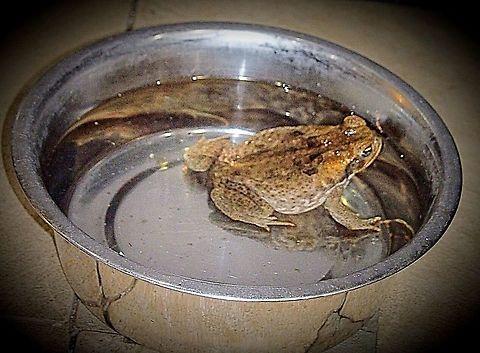
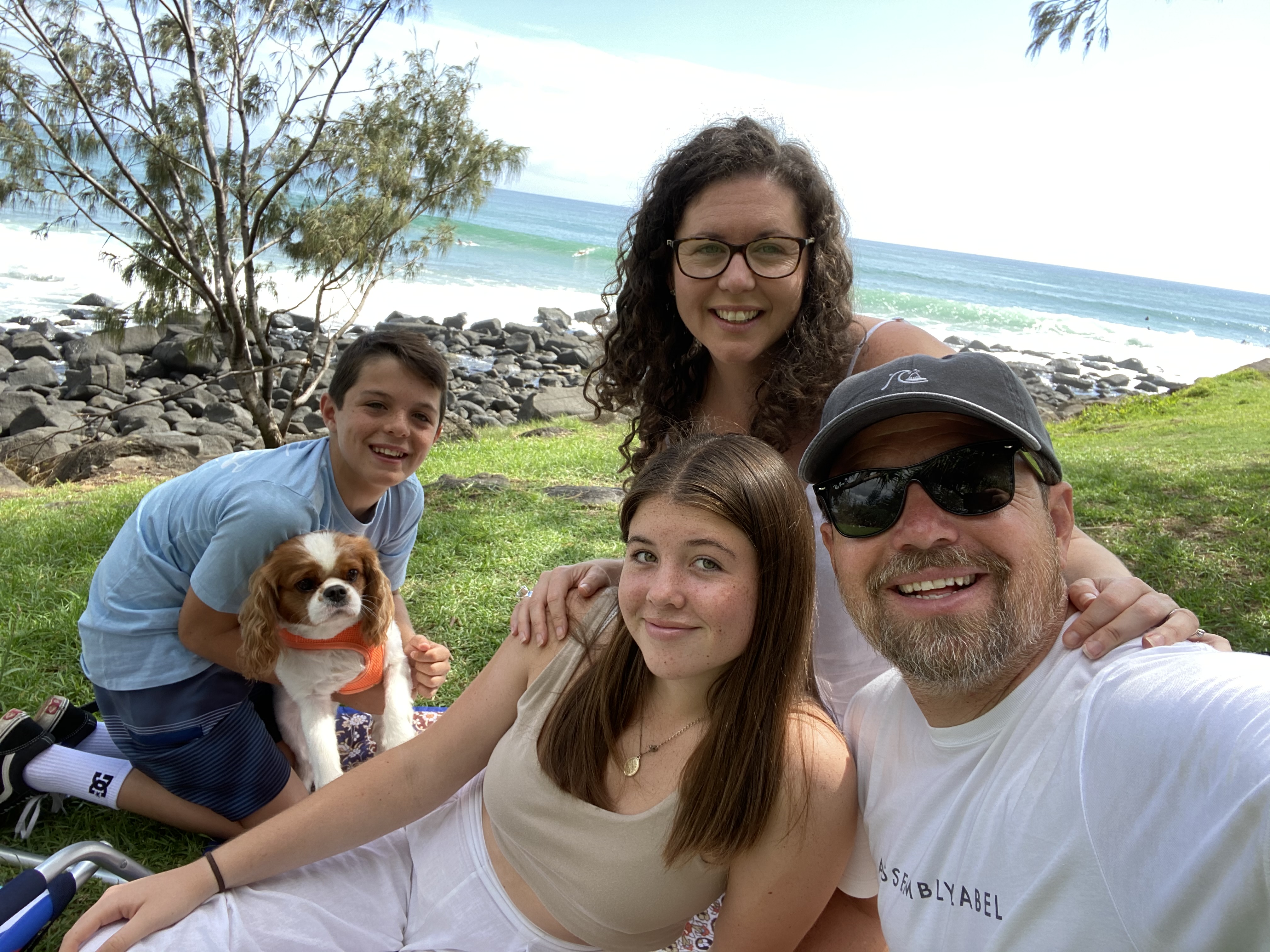
I used to spend my days talking cloud strategy and Salesforce roadmaps. I loved the people and the problem‑solving, but it was all screens, meetings and KPIs. Then one sticky summer evening in South East Queensland, our family dog Billy found a cane toad in the backyard. Within minutes he was in real trouble. We rushed to the vet, but we lost him to cane toad poisoning. That night changed everything.
I couldn’t shake the feeling that, with better prevention and a clearer plan, we could have reduced the risk. I started reading, learning from local wildlife carers, and speaking with vets and other professionals. The more I learned about cane toads, the more obvious it became: they’re not just a noisy nuisance — they’re a real and growing risk to pets across South East Queensland and Northern NSW. That’s why I left tech and built No More Toads: a hands‑on, prevention‑led service to make yards safer for pets and friendlier for native wildlife.
From dashboards to dam banks: the moment everything changed
In tech, I spent years optimising processes and building systems. After Billy, those skills shifted to headtorch inspections, dam bank edges, and fence lines. I learnt how to read a yard the way a cane toad does: where the water pools, which lights pull in insects (and therefore toads), which gaps under the fence become night‑time entry points.
Cane toads carry a potent toxin (bufotoxin) in the large glands behind their head. When a curious dog mouths a toad, that toxin can be life‑threatening. If you suspect your pet has come into contact with a cane toad, seek urgent veterinary care — don’t wait for symptoms. That message is now at the heart of everything we do.
Why cane toads are more than a nuisance for pet owners
If you’ve lived here a while, you’ll know toads show up on warm, humid nights and after rain. They breed in still or slow‑moving water: buckets, ponds, stormwater, even temporary puddles. Dogs are especially at risk because they investigate with their mouths.
Around South East Queensland and Northern NSW, suitable habitat is common — lawns, lights, water features, pet bowls, and insect‑rich gardens. With warm weather and regular rainfall, toads can move through suburbs and acreage quickly. The trend many locals notice is simple: more sightings, more encounters, and more risk to pets.
Building No More Toads: a prevention‑led, humane approach
I didn’t want to create just another “catch and count” service. The mission is prevention first, always humane, always practical:
- Property inspections to find entry points, water sources, and lighting that draws toads in.
- Night toad removal using safe, humane handling.
- Tadpole and egg‑stage control with targeted, wildlife‑conscious methods.
- Toad‑proof fencing and low barriers designed for real yards and curious pets.
- Discreet, purpose‑built traps and one‑way pathways where appropriate.
- Education for the whole household — what to watch for, and what to do if you spot a toad.
Humane handling matters. When euthanasia is necessary, we follow RSPCA‑endorsed guidance: cooling the animal first (refrigeration) and then freezing. We never use cruel methods, and we never encourage DIY approaches that risk harming pets or native wildlife. If you’re unsure, call a professional.
What a typical visit looks like
Every property is different, but here’s the general flow:
- Quick chat about your pets, recent sightings, water features, and nearby creeks or drains.
- Daylight walk‑through to spot risks: water bowls at ground level, pond edges, gaps under fences, garden clutter, and insect‑attracting lights.
- Practical fixes you can start immediately (see the list below).
- After‑dark removal session if needed — that’s when toads are active and easier to locate.
- Check for breeding sites and plan for tadpole control where appropriate.
- Measure up for toad‑proof fencing or low barriers in the highest‑risk zones.
- Pet‑safety coaching: how to supervise at dusk, what to do if a toad turns up, and which habits reduce risk long‑term.
You’ll get a simple action plan so the improvements don’t vanish with the next rainy week.
Practical ways to reduce cane toads around your home today
You don’t need a ute full of gear to make a big difference. Start with these steps:
- Remove standing water: tip out buckets and trays, fix drips, and keep pond water circulating if you can.
- Tidy up: reduce ground‑level clutter where toads hide — stacked pots, timber piles, and thick mulch right against the house.
- Adjust lighting: bright, cool‑white lights pull insects (and toads). Consider warmer tones or motion sensors for key areas.
- Raise pet bowls at night and bring in leftover food. Food attracts insects; insects attract toads.
- Block gaps under gates and fences with brush strips or low edging. A simple 10–15 cm barrier can stop many toads; add one‑way exits where needed.
- Supervise pets around dusk and after rain. Teach a solid “leave it”. Keep a torch by the back door.
- Make ponds less toad‑friendly: steeper edges, moving water, and plants that create cover for native frogs but fewer easy landing spots for toads.
- Handle safely: if you must move a confirmed cane toad, wear gloves and avoid contact with your eyes, mouth, and any open skin. Keep pets away.
- Humane euthanasia only: follow RSPCA guidance — cool in the fridge first, then freeze — or contact a professional. Never use chemicals or cruel methods.
- Not sure if it’s a frog or a toad? Don’t guess, especially with eggs or tadpoles. Take a clear photo and ask for help before acting.
Small changes compound. A less inviting yard tonight is fewer toads next month, and fewer dangerous encounters for your pets.
What I wish I’d known before we lost Billy
- Cane toads don’t need a big pond to breed — a few days of warm, wet weather and a shallow puddle can be enough.
- Most pet encounters happen at dusk and in the few hours after, especially after rain.
- Vets want to hear from you immediately after exposure. Early action matters — call ahead so they’re ready.
- Prevention beats reaction. A couple of minor yard tweaks and a plan for rainy weeks can dramatically reduce risk.
I can’t rewrite what happened to our family, but I can help other families lower their risk and feel more confident in their own backyards.
Restoring a little balance, one yard at a time
Leaving the Salesforce world for mud, mozzies and midnight fence checks isn’t the usual career move. But it’s meaningful. Every safe dog or cat, every yard that feels calmer after a stormy week, and every native frog we see thriving — that’s the reward.
If you need a hand, professional help is available from No More Toads. We offer humane toad removal, practical toad‑proof fencing solutions, tadpole control, and clear pet‑safety advice tailored to homes across South East Queensland and Northern NSW. No scare tactics — just prevention that works, and support when you need it.